
LawnSuite guides: Lawn problems: weeds, pests and diseases
LawnSuite's lawn-problem guides start with identification. A lot of money spent on lawn products goes on treating the wrong problem. A patch that's brown from curl grub can look a lot like dry patch or early fungal damage, and the fixes have nothing in common. Identify it first. These guides cover signs to check, with seasonal cues, grass-type notes or lawn-care steps where relevant.
No guides match. Try fewer words or clear the search.
Weed identification: where to start
Use this quick key to choose a guide, then compare the whole plant with its photos and description. Check leaves, growth habit and seed heads together; flower colour alone is not enough.
- Finely divided leaves close to the ground; small spiny fruits form later among the leaf clusters: compare bindii.
- Three rounded leaflets and rounded heads of white or pink flowers: compare white clover.
- Soft, light-green grass tufts with branching, roughly triangular seed heads: compare winter grass.
- Grass with finger-like seed-head branches: compare crowsfoot grass and summer grass. Both can have spreading growth and hairy leaf sheaths, so those traits and finger-like seed heads do not reliably separate them. Compare both guides before deciding.
- Grass-like leaves with a triangular flowering stem and reddish-brown seed heads: compare nutgrass and its sedge look-alikes. A triangular stem alone does not identify nutgrass.
- Tough, narrow, grooved leaves with pink flowers that have a yellow centre: compare onion grass (Guildford grass). Rarely, flowers are white; check the leaves too.
Botanical sources: NSW Flora Online entries for bindii, white clover, winter grass, crowsfoot grass, summer grass, sedges and onion grass.
Weeds
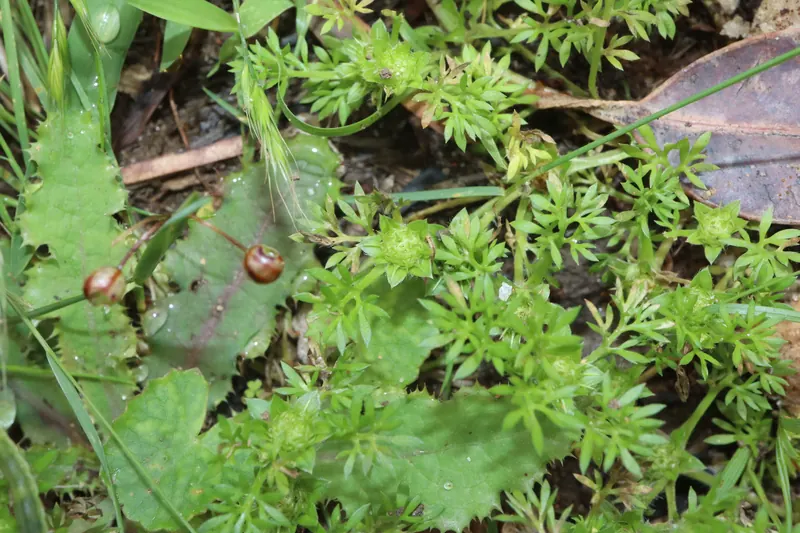
Bindii
How to identify bindii in an Australian lawn, why timing matters before the prickles form, what it means for buffalo lawns, and the lawn care that keeps it out.
Read the guide →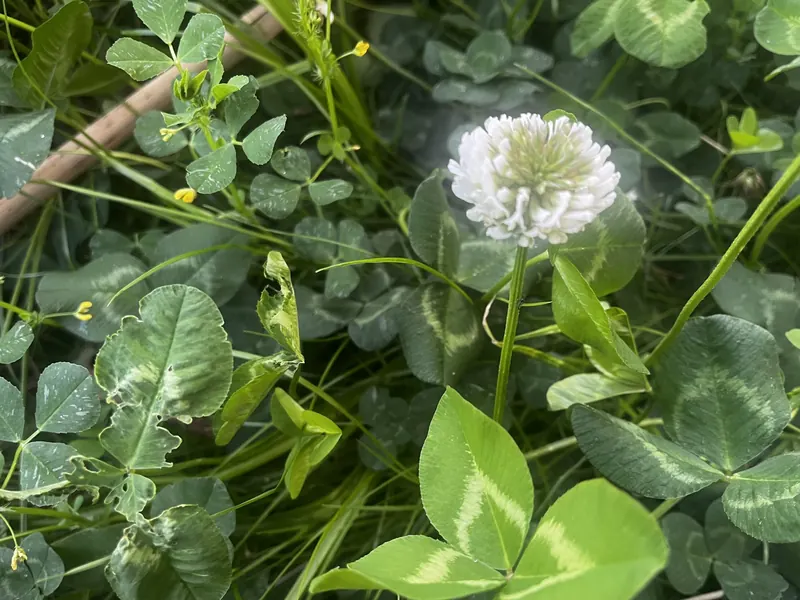
Clover
How to identify clover in an Australian lawn, why it points to a hungry lawn, when it's usually dealt with, and why buffalo owners need to check the label.
Read the guide →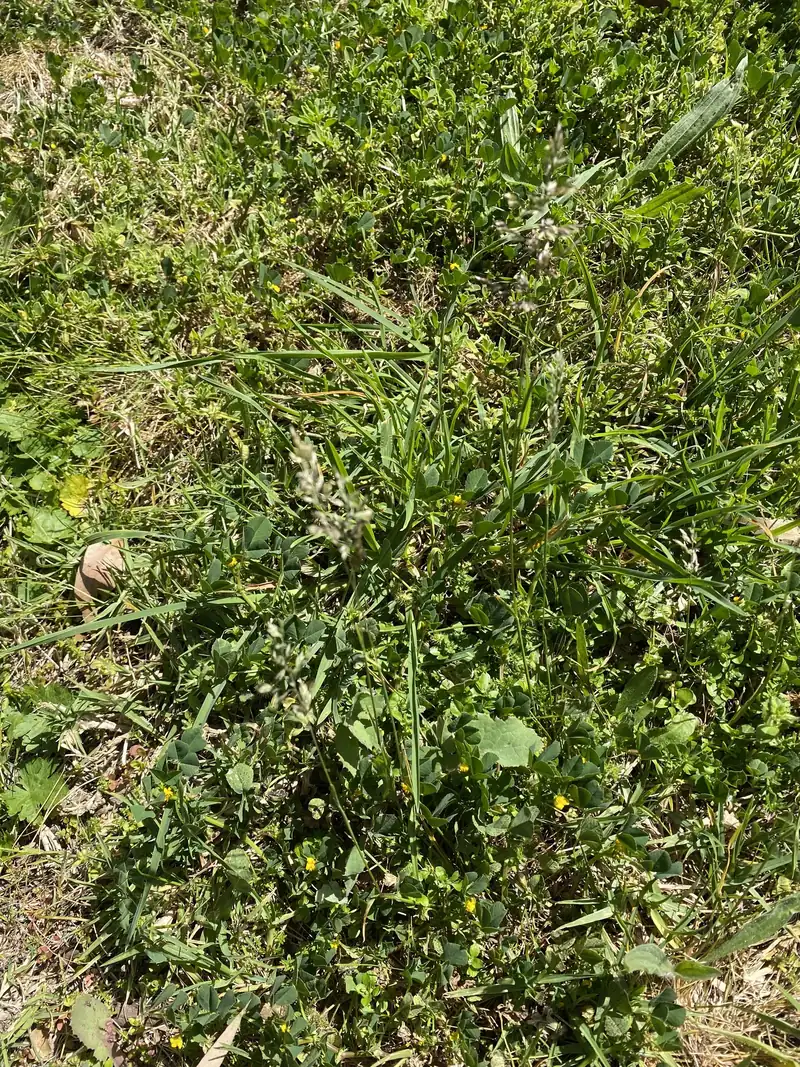
Winter grass
How to identify winter grass (Poa annua) in an Australian lawn, why autumn timing beats fighting it in winter, and the lawn care that keeps it out.
Read the guide →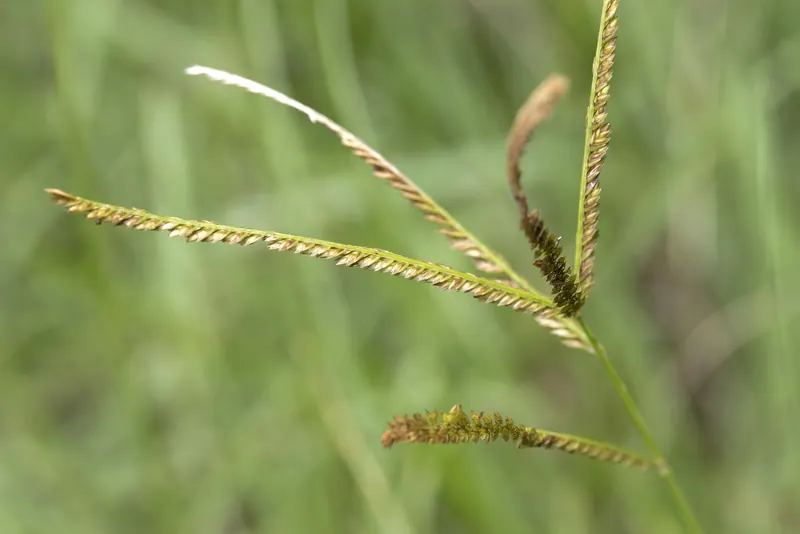
Crowsfoot grass
How crowsfoot grass gets into Australian lawns, why it's a spring-timing problem, and the lawn care and renovation order that help keep it out.
Read the guide →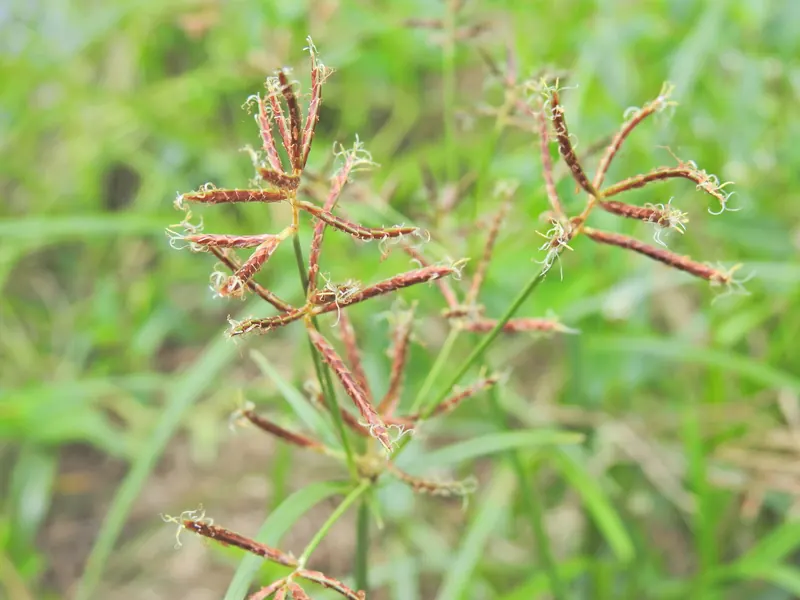
Nutgrass
How to identify nutgrass (nutsedge) in an Australian lawn, when it grows, why underground tubers make it persistent, and how to remove small patches and avoid bringing tubers in.
Read the guide →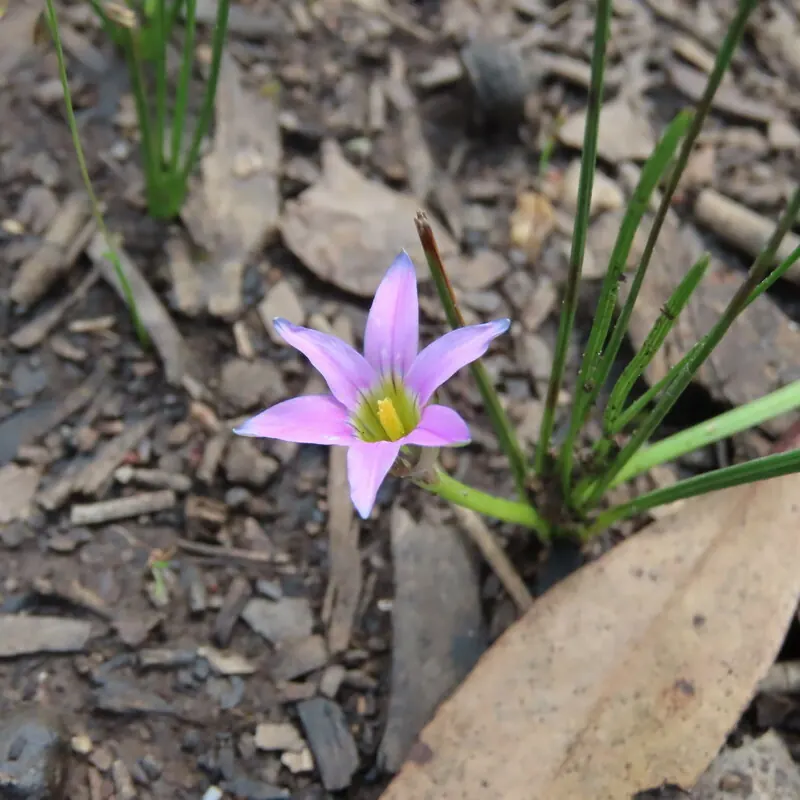
Onion grass
Identify onion grass, also called Guildford grass (Romulea rosea), in Australian lawns: its corm, pink spring flowers, the plants also called onion weed, and how to limit spread.
Read the guide →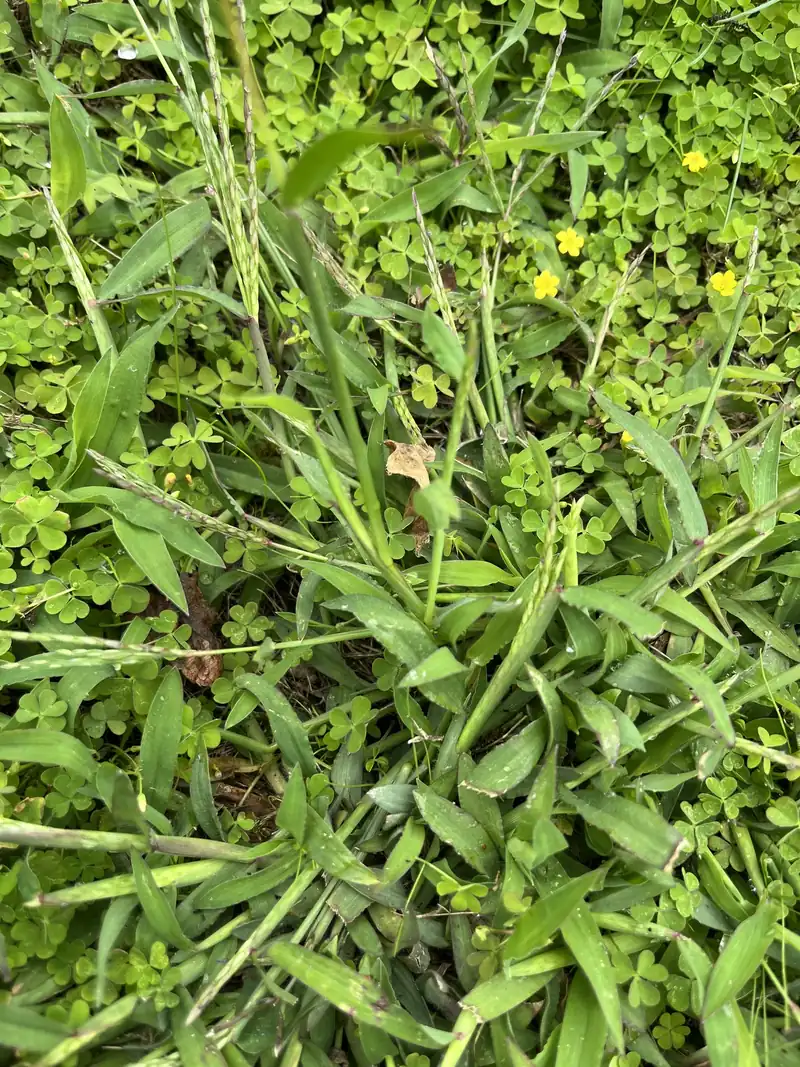
Summer grass
How to identify summer grass (crabgrass) in an Australian lawn, when it germinates and flowers, how seed spreads, and lawn care that helps reduce bare patches.
Read the guide →Pests
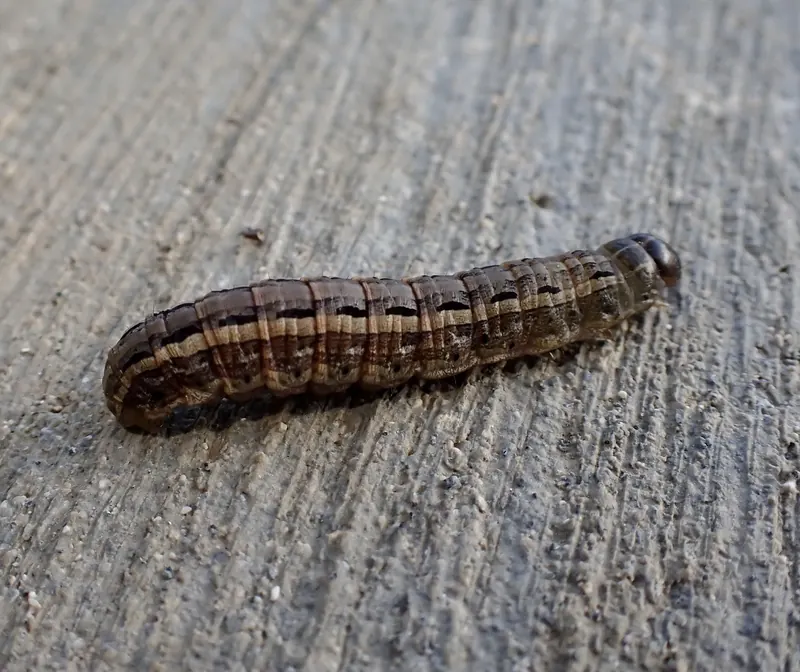
Armyworm
How to spot lawn armyworm damage, simple home checks for caterpillars, when to watch for it in Australia, and kikuyu recovery.
Read the guide →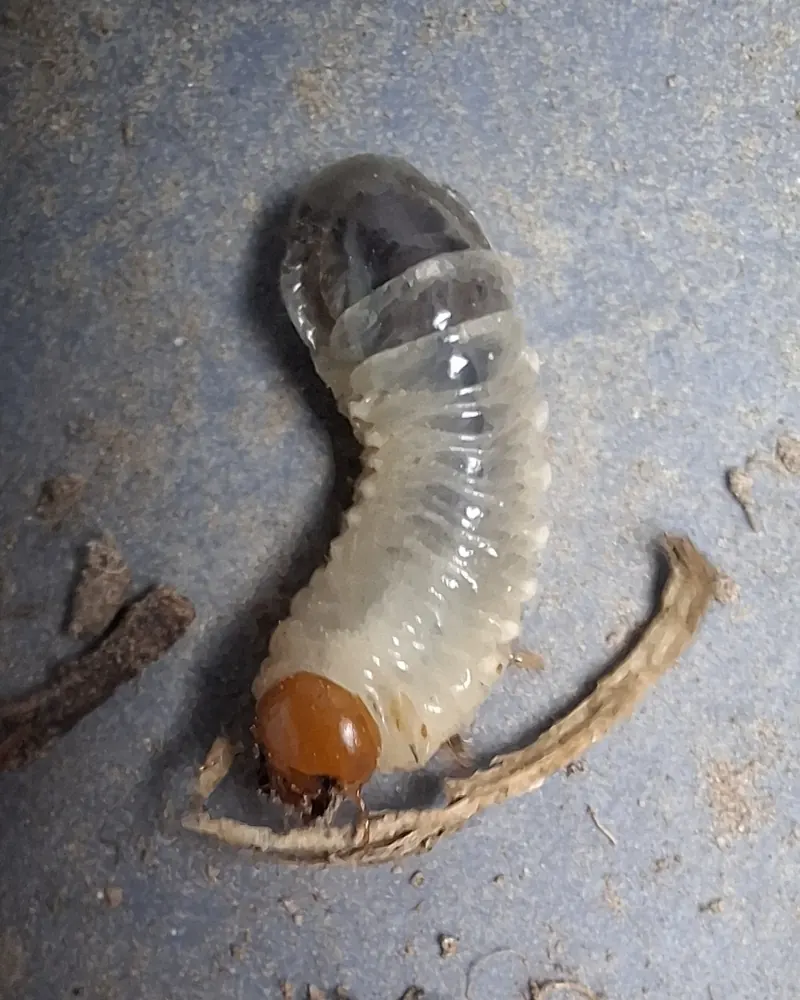
Curl grub
Lawn grubs in Australia: how to spot curl grub damage, the lift test that confirms it, when grubs are active, and what kikuyu owners should know.
Read the guide →Couch mite
How to recognise couch mite damage on a couch lawn, why it can look like dry stress, when mite numbers build, and mower hygiene that helps limit spread.
Read the guide →Diseases
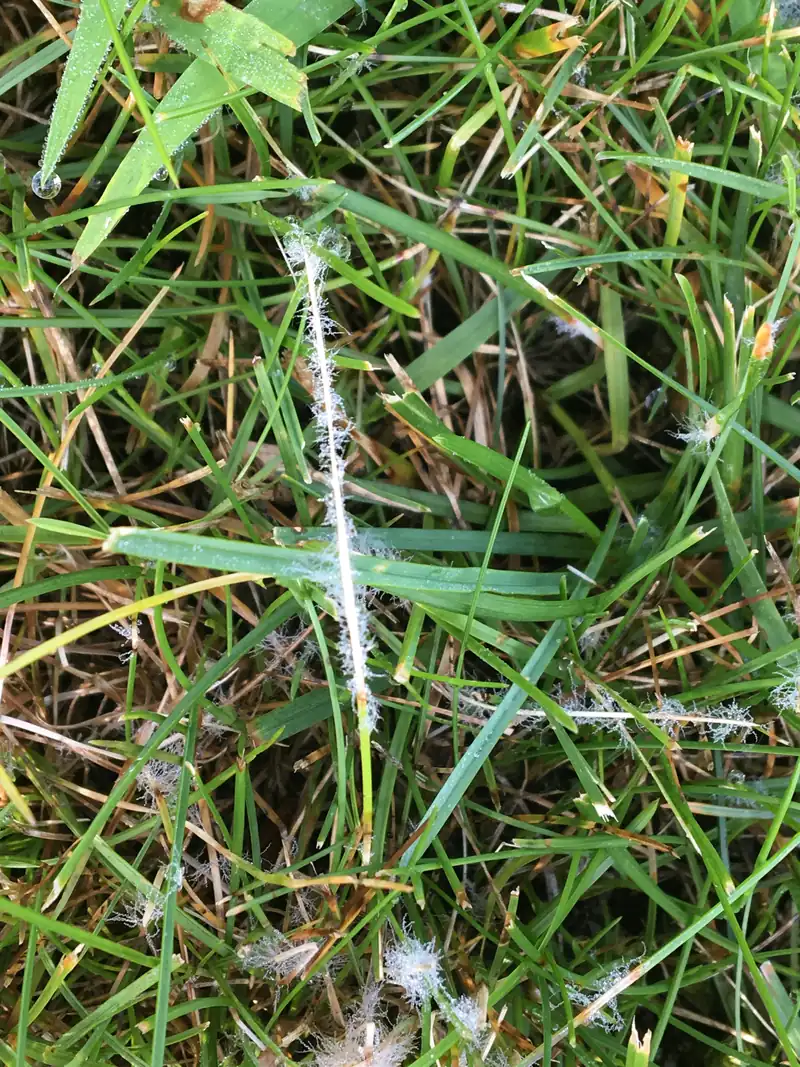
Dollar spot
How to identify dollar spot in an Australian lawn, the conditions that drive it, which grass types it hits hardest, and the watering, mowing and feeding fixes to try first.
Read the guide →Brown patch
How to identify brown patch in an Australian lawn, the hot, humid conditions that trigger it, which grass types it hits, and the watering and feeding fixes to try first.
Read the guide →Choosing a product: If you use a product, choose one whose label lists your turf type and the problem, and follow the label. The LawnSuite rate calculator scales that label rate to your measured area.
For the home tests that tell these problems apart, read Common lawn problems in Australia: what's actually wrong.
Not sure what you're looking at?
Create a free LawnSuite account in your browser and photograph the patch. Photo diagnosis uses Google Gemini vision to identify the likely weed, pest or disease and shows a confidence score for each result, so you can match it to the guide for that problem before you treat.